South African-registered · Based in Cape Town · Online worldwide
Most young men are not weak.They are exhausted from being divided against themselves.
A grounded space to meet yourself honestly, make sense of what you are carrying, and begin building a life that actually feels like your own. Reflective counselling and developmental mentorship for men aged 18 to 25.
Book a free 15-minute fit callASCHP Registered
In person & online
Based in Cape Town
Ages 18 to 25
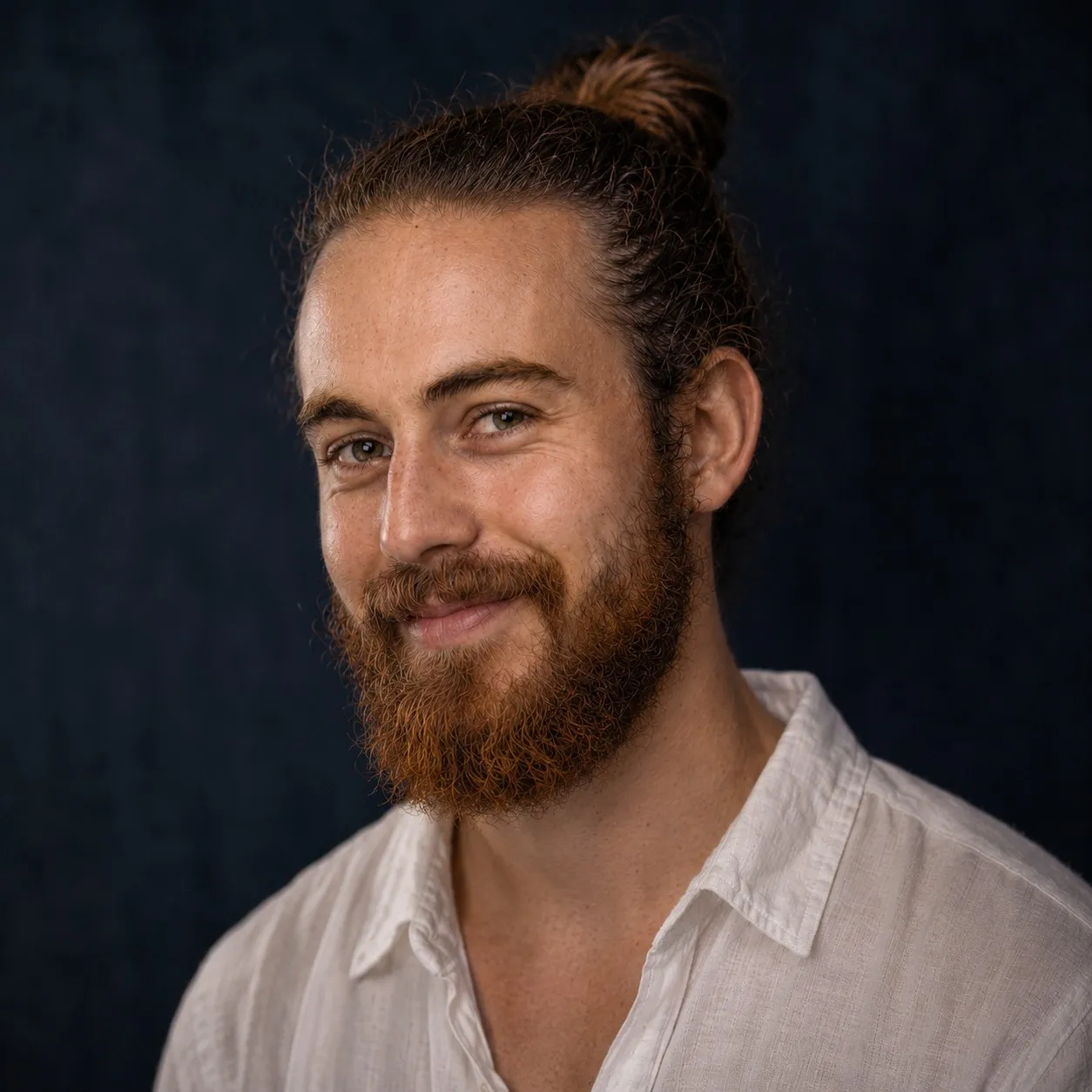
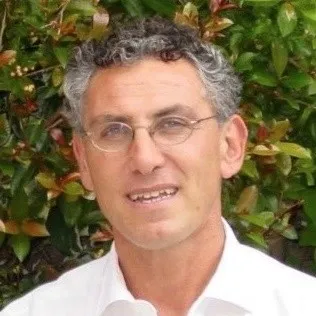
Michael Kaplan
ASCHP Registered Wellness Counsellor
10+
years working directly with adolescent and young adult men
Hundreds
of one-on-one and group sessions facilitated across Cape Town and online
Trained under
a clinical and forensic psychologist in adolescent developmental work
Something most young men recognise but rarely name
You can be surrounded by people and feel unreachable. You can be doing well on paper while slowly losing contact with yourself underneath it.
You can know exactly what needs to be done and still feel unable to move. Not out of laziness, but because some deeper part of you has gone quiet while the rest keeps running on fumes.
This is not weakness, and it is not failure.
It is what often happens when a person tries to build a life inside a culture of constant stimulation, fractured ideas about masculinity, endless comparison, and very few spaces where honesty is actually possible.
Most of the men I work with did not arrive because of a dramatic crisis. Something less obvious had been happening for a long time: a growing sense of being out of step with their own life, performing a version of themselves they no longer fully believed in, and carrying questions they had nowhere to bring.
The work begins by taking that seriously.
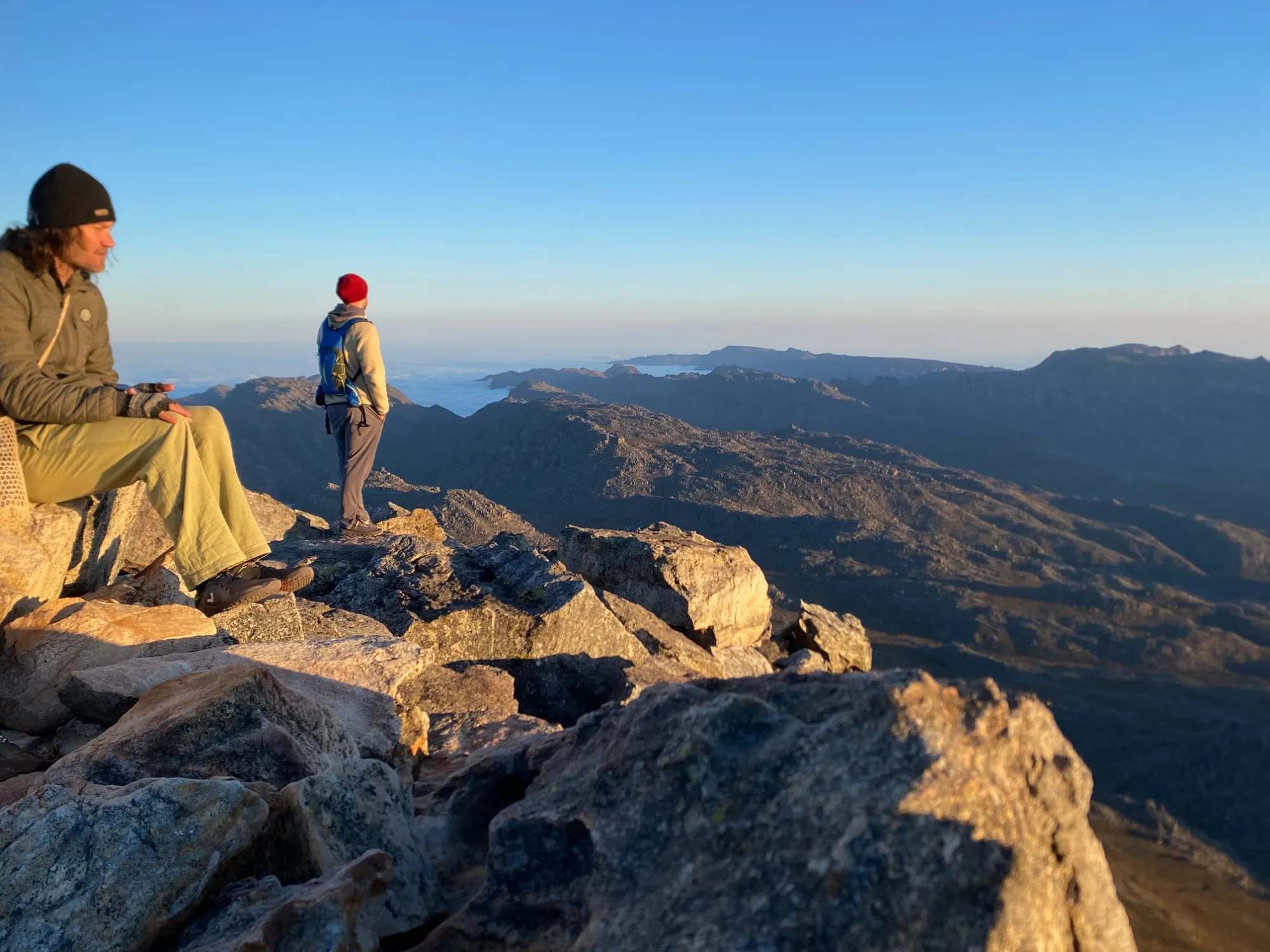
No one is going to do this for you. But you do not have to do it alone.
What this is, and what it isn't
This is not motivational coaching. It is not alpha-male content with a softer accent. It is not therapy in the clinical sense, and it is not mentorship built around rigid systems, performance, or ideology.
It is a sustained one-on-one relationship with someone whose role is to help you see yourself clearly, think honestly, and act with greater coherence in your own life.
The work draws from several areas.
Reflective counselling. The careful tracking of how you actually think, what you actually feel, and the patterns you return to without fully noticing. This is grounded in formal training and registration as a Wellness Counsellor with the ASCHP.
Developmental mentorship. Direct conversation about identity, direction, responsibility, avoidance, relationships, and the difficult process of becoming an adult man consciously rather than accidentally. This is shaped by years of facilitation work with young men across both group and one-on-one settings.
Embodied and contemplative practice. Practical tools drawn selectively from years of training in Indian contemplative traditions. Breath, attention, nervous system regulation, and practices that help a person become more present in their own life rather than constantly escaping it.
Underneath all of this is something older than any technique: Men have always needed other men willing to tell them the truth with both care and honesty.
Almost no one has that now.
The work happens through conversation over time. Nothing is forced. Nothing is performed. Trust develops gradually.
The aim is not to create a new personality, but a more honest relationship with the life you already have.
What this work often meets
Different men arrive with different versions of the same underlying questions. Some of what comes up most often:
A sense of being directionless despite being capable
+
Knowing you could do more, wanting to do more, and not understanding why you keep remaining stuck.
Difficulty sustaining discipline or follow-through
+
And a growing suspicion that the problem is not laziness or willpower.
Compulsive distraction and avoidance
+
The phone. The scroll. The substances, habits, or behaviours you keep returning to when you do not want to feel what is underneath everything else.
Emotional shutdown, or its opposite
+
Numbness. Reactivity. A sense that your emotional life is either muted or constantly overflowing.
Loneliness that does not make sense on paper
+
Surrounded by people. Still unreachable.
Confusion around masculinity
+
Competing messages about what a man should be, none of them fully convincing, and almost nowhere to explore the question honestly.
Anxiety beneath outward competence
+
Functioning on the outside while something quieter and more uncertain keeps running underneath it.
Not knowing what a good man actually looks like
+
Because your father could not show you, did not know how, or modelled something you do not want to become.
A growing gap between who you appear to be and who you actually are
+
The external version of your life slowly diverging from your inner experience of it.
A persistent sense that you should be further along by now
+
Without even knowing what "further" is supposed to mean.
None of these are signs that something is fundamentally wrong with you.
They are often the predictable result of trying to become a man inside a culture that leaves most people to figure it out alone.
The work is not to eliminate these experiences as quickly as possible. The work is to meet them honestly, understand what is underneath them, and begin relating to your life more consciously over time.
If several of these resonate, the introductory fit call is a reasonable place to begin.

What do you want the people closest to you to say about you when you are not in the room? Most men become themselves accidentally. The work is learning to do it consciously.
About Michael
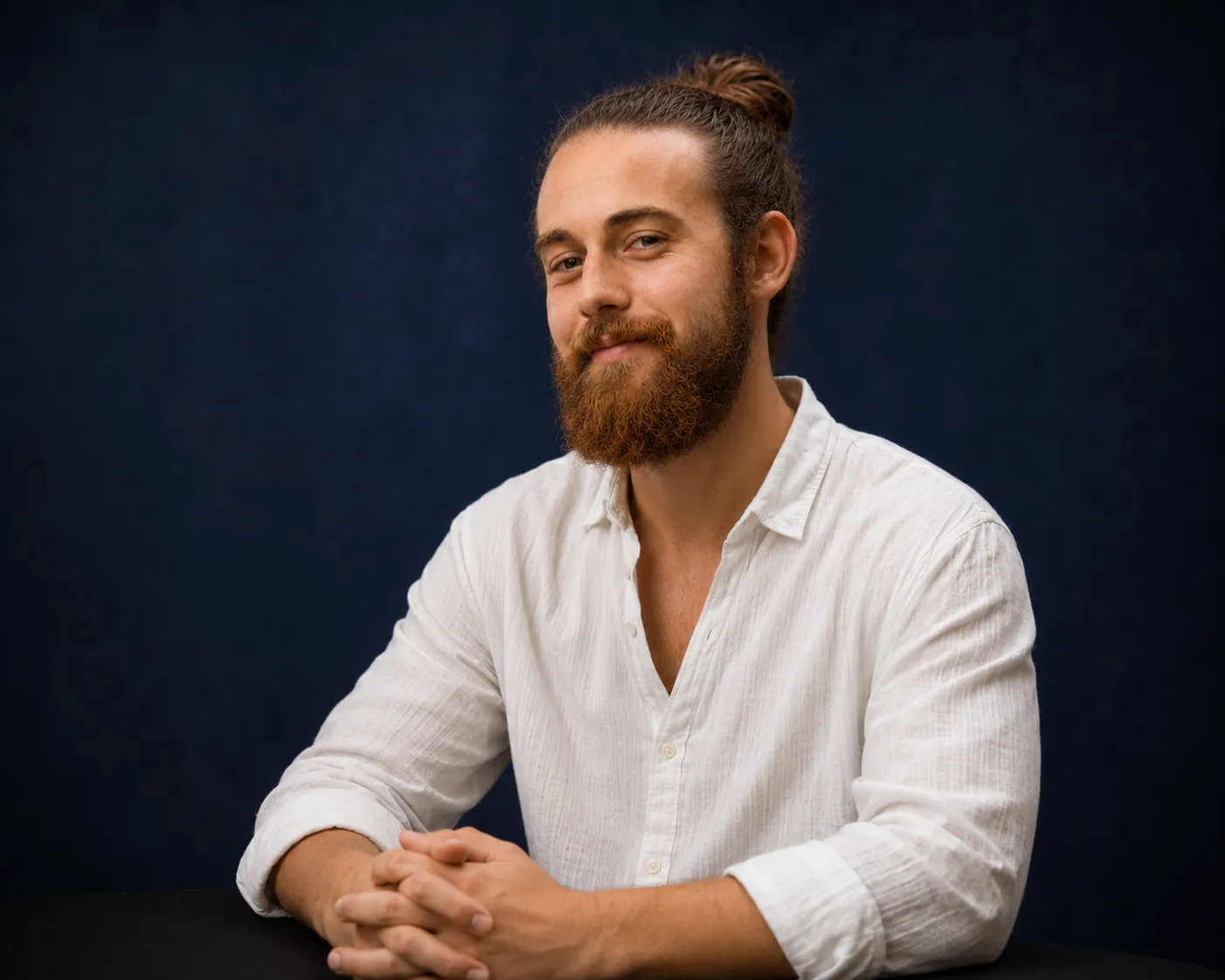
Michael Kaplan
ASCHP Registered Wellness Counsellor
ASCHP Reg. 10559 · Yoga Alliance RYS 300
01/04
Reflections from people who have worked with this directly
Shared with permission.
Personal Reflection
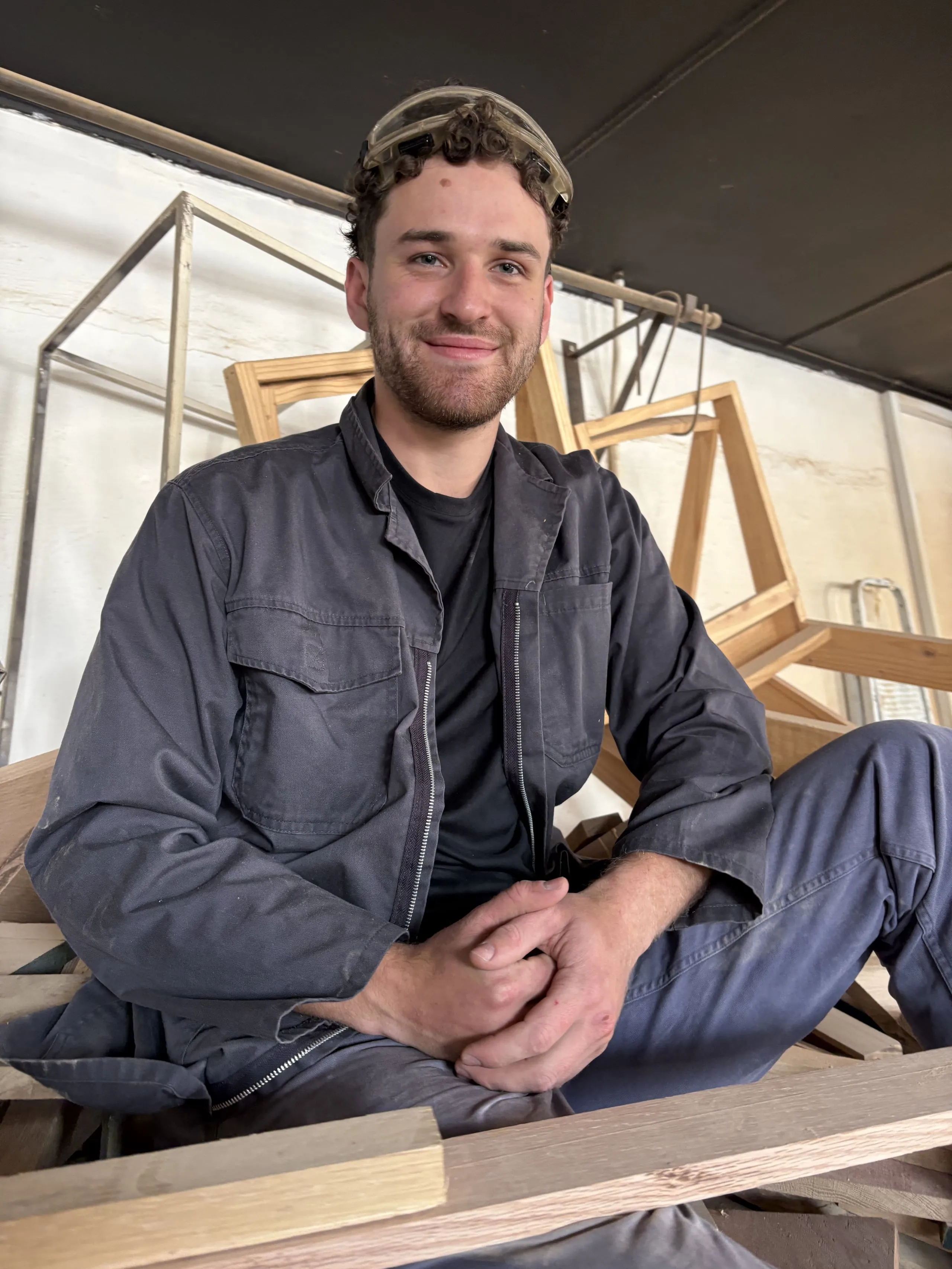
Michael has a remarkable gift for holding space. He has guided me through some of my toughest moments, helping me find my voice and feel comfortable in situations I once found overwhelming. Every process we've worked through has left me feeling clearer and more at peace.
What strikes me most about him is his integrity. Whether one-on-one or in a group, his care is genuine and never for his own benefit. He is a pure soul who truly wants to see people thrive. I'm so grateful for his availability and his dedication to helping me improve my life.
Jacob S. · Has worked with Michael across adolescence and into adulthood
Professional Reference
I have known Michael for many years through his involvement with Boys to Men, first as a participant in the work and later in leadership and facilitation roles. Over time, I have watched him develop into a capable, thoughtful, and committed facilitator with a genuine ability to work with people in a grounded and sincere way.
He brings presence, emotional intelligence, maturity, and a strong capacity to engage honestly with difficult human experiences. I have consistently found him to approach this work with integrity, responsibility, and real care for the people he works with.
Bernard Altman · Clinical and Forensic Psychologist · Founder of Boys to Men

You are deciding now what kind of son, brother, friend, partner and eventually father you are becoming. Most men make this decision by accident. You do not have to.
Book a free 15-minute fit call
A short, no-cost conversation to see whether the approach, the timing, and the fit make sense. No commitment beyond the call itself.
If it doesn't feel right, I will say so directly, and where appropriate point you toward something that would help more. Honesty about fit is part of the work.
South African-registered · Based in Cape Town · Online worldwide
Prefer to meet in person? See the Newlands counselling room and appointment details.
If the calendar does not load, open the booking page directly.
Still deciding what kind of support fits? Read how to find a mentor for a young man in South Africa.
Sangham is supportive wellness counselling and developmental mentorship registered under the ASCHP. It is distinct from clinical psychology, psychiatry, and from crisis or emergency mental health care. If you are in acute crisis or require clinical assessment, I will say so directly and refer you to an appropriate professional. Honesty about scope is part of the practice.
Full scope and ethics →Questions that come up
Most people have a few of these before they book. Worth answering directly.
Is this therapy?
+
No. This work is better understood as developmental mentorship combined with reflective counselling. Emotional reflection, self-awareness, and psychological insight are part of the process, but the work is not positioned as formal psychotherapy or clinical treatment. The focus is developmental and relational. Building greater emotional grounding, self-awareness, direction, and internal stability over time.
What if I’m not sure this is for me?
+
That’s what the free 15-minute call is for. It’s a low-stakes conversation to see whether the approach, the timing, and the fit make sense. If it doesn’t, I will say so directly. There is no pressure to continue.
Do I need to be interested in meditation or spirituality?
+
No. The work is grounded, practical, and psychologically oriented. Where contemplative practices are introduced, they are used as practical tools for attention, regulation, and self-observation rather than as spiritual belief. Many sessions involve none of this directly.
What kinds of things do people usually bring into this work?
+
Common themes include lack of direction, emotional shutdown, difficulty sustaining attention or discipline, anxiety beneath outward competence, relationship difficulties, identity confusion, masculinity, isolation, compulsive distraction, and the broader question of who you actually want to become.
How long does the process usually last?
+
There is no fixed timeline. Some people benefit from shorter periods of focused work; others benefit from longer-term mentorship as things gradually stabilise. The work is developmental rather than crisis-oriented. Meaningful change tends to develop gradually rather than instantly.
What does it cost?
+
The initial 15-minute call is free. Beyond that, individual sessions are R850 (approximately $45–50 USD) per 60-minute session, with reduced rates available in limited cases where the standard rate is genuinely prohibitive. This can be discussed on the call.
Is this a replacement for psychiatric or specialist psychological care?
+
No. This work supports developmental and relational growth. Acute psychiatric intervention, crisis management, addiction treatment, and specialist clinical care belong with appropriately licensed professionals. If that is what is needed, I will say so and refer to someone appropriate.
How do sessions actually happen?
+
Sessions are held online via video or in person in Newlands, Cape Town, by arrangement. Approximately 60 minutes per session. Frequency is typically weekly or fortnightly depending on what is useful. The work is conversational and relational, not lecture-based or curriculum-based.